Ten moments of hope from the Mediterranean Sea
Hope at sea is not just a feeling. It is something concrete. A boat spotted on the horizon, a light in the darkness, a view of land after days at sea. It looks different depending on which side of a rescue you are on for the person hoping to be found, and for the team hoping to find them in time. Over ten years of search and rescue operations in the Central Mediterranean, these moments have happened thousands of times. Here are ten of them.


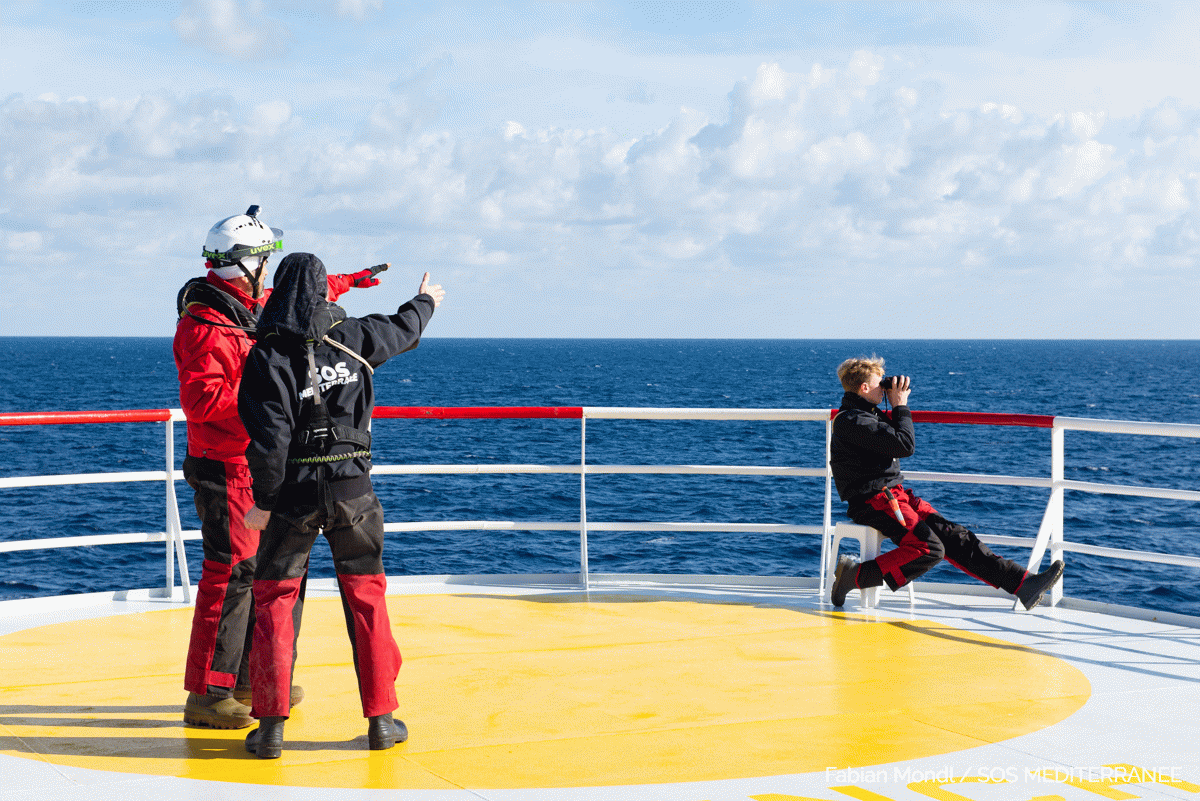
Someone is looking.
Someone is looking.
1. Someone is looking
Before any rescue, there is always someone on the lookout. When the Ocean Viking arrives in the operations area, members of the search and rescue team take turns at the bow with binoculars, scanning the horizon in one-hour shifts, across a field of vision of around 15 kilometres. Every shift is a form of hope that something will appear. Over time, the team has learned to look out for anything that isn't the same shade of blue as the sea. A dot, a reflection, a flash could be a boat. Hope begins here, not with a rescue, but with the act of looking.

© Fabian Mondl / SOS MEDITERRANEE
Not safe yet.
Not safe yet.
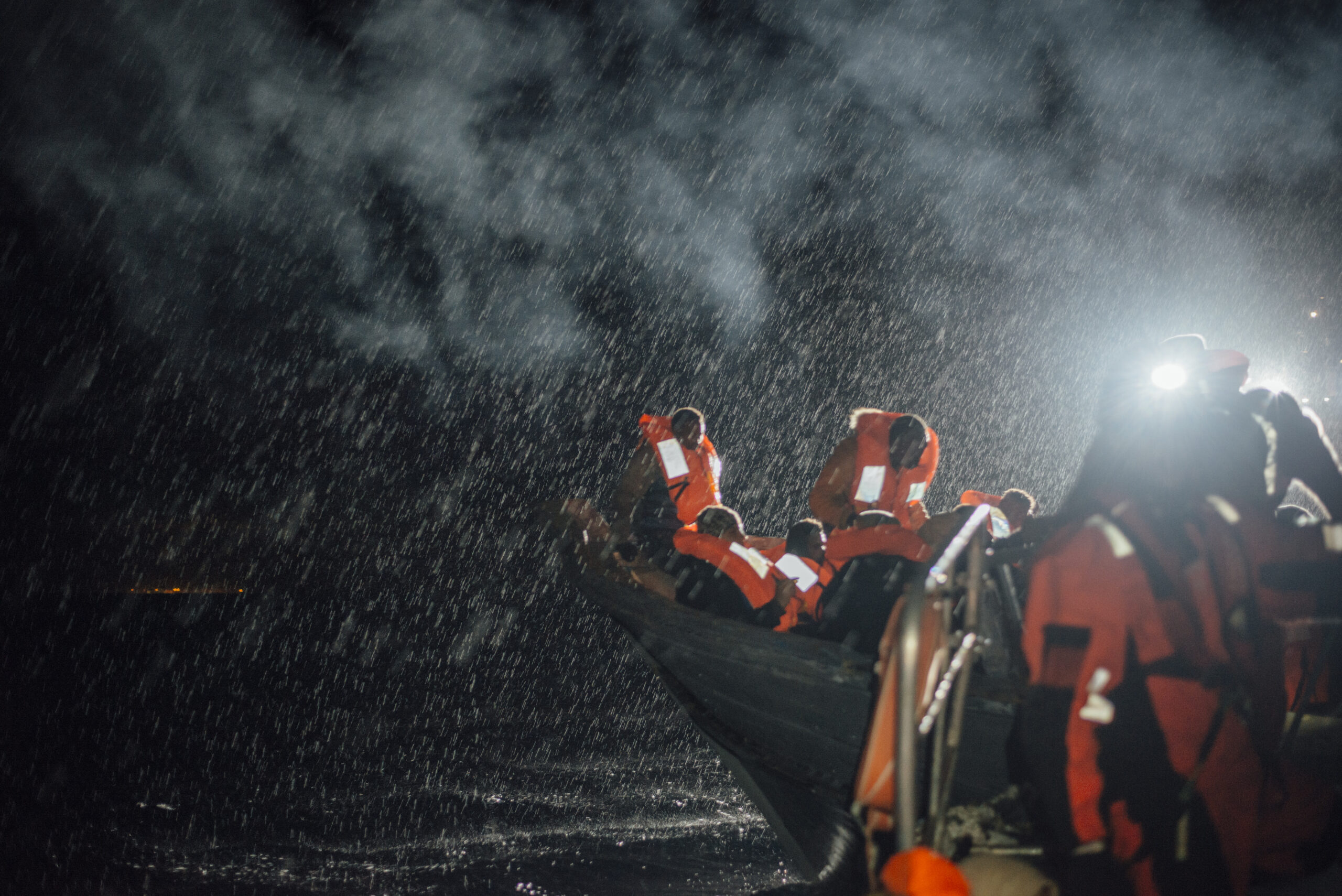
2. Not safe yet
When a boat in distress is spotted, the Ocean Viking dispatches small rescue boats to reach it. This photograph was taken from one of them, which means the team had already made contact with the people on board. But the sea doesn't pause for a rescue, and in rough weather the operation is slow, physical, uncertain. Most make this crossing on rubber dinghies designed for calm rivers, not open sea, and the operation isn't over until the last person has crossed from one boat to the other and been brought safely on board the Ocean Viking.

© Fabian Mondl / SOS MEDITERRANEE
A real life jacket.
A real life jacket.
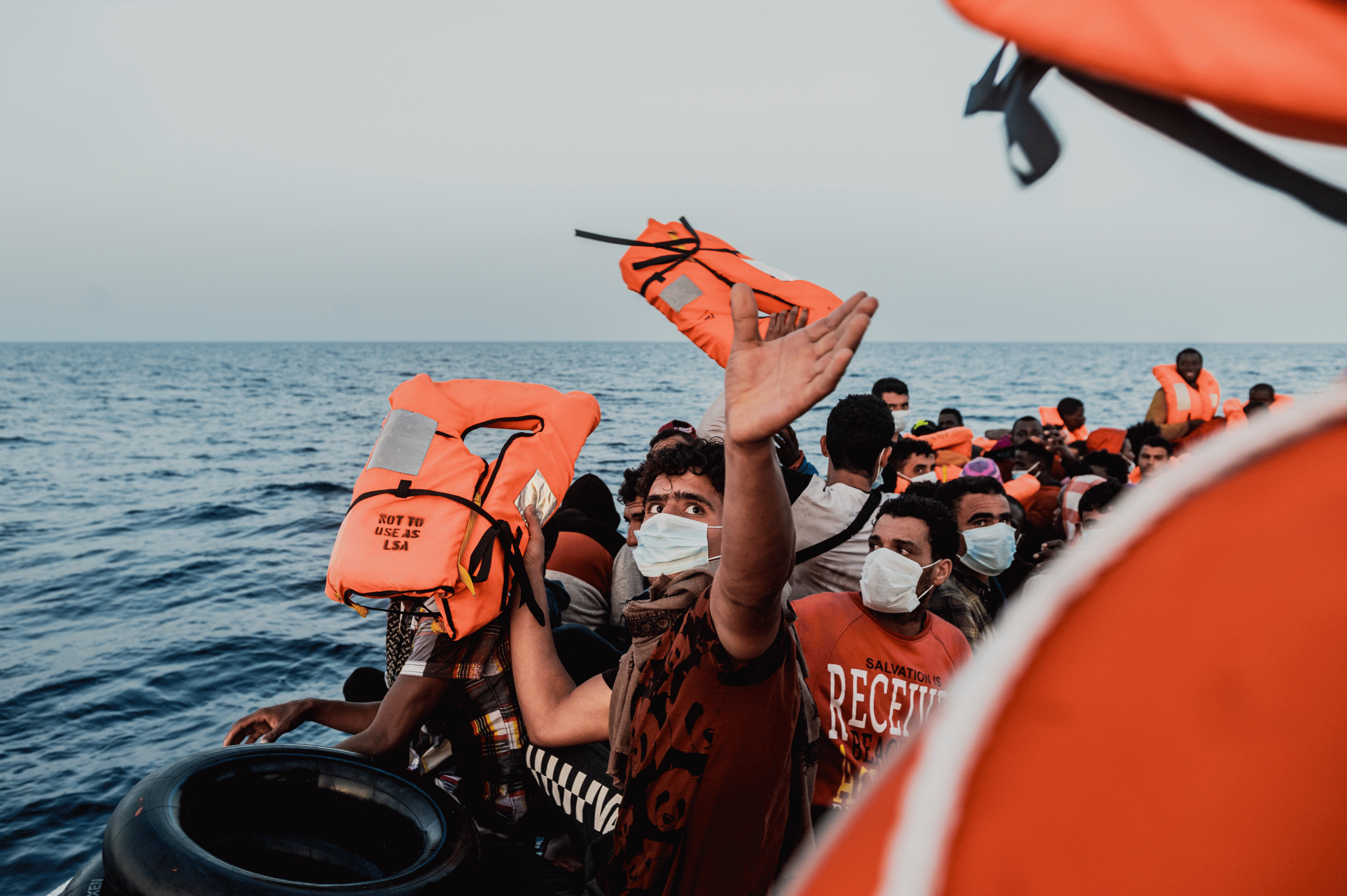
3. A real life jacket
Many people make this crossing without a life jacket. Others have paid for one, not knowing it was stuffed with material that, more likely to pull them under than keep them afloat. A death jacket sold as a life jacket. When the rescue team reaches them, they hand out real life jackets.

© Flavio Gasperini / SOS MEDITERRANEE
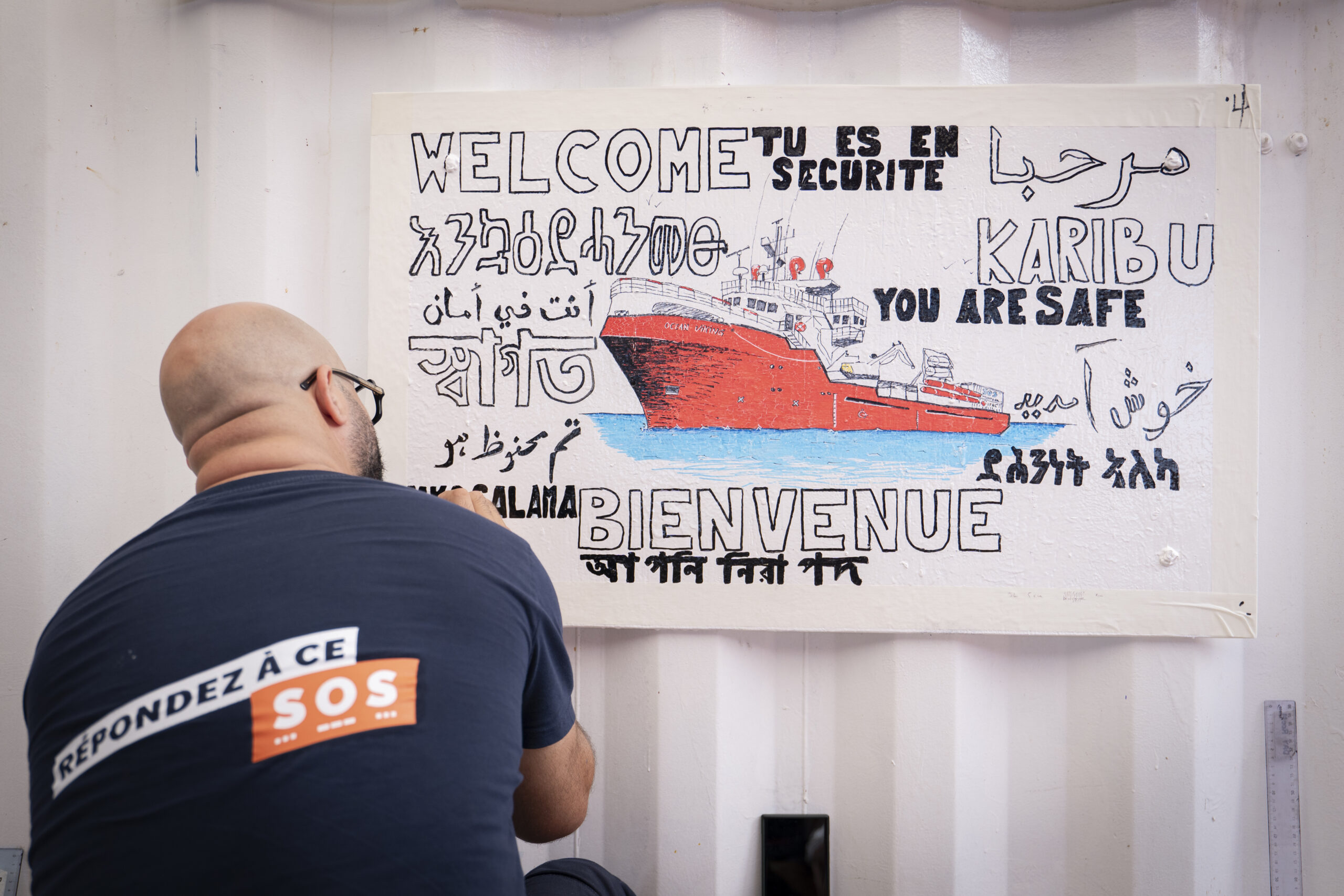
Three words of reassurance.
4. Three words of reassurance
When survivors come on board the Ocean Viking, the first thing they see is a sign reading 'You are safe' in their language. Abdelfetah Mohamed is a cultural mediator on board the Ocean Viking. He made the Mediterranean crossing himself. He knows what people need to hear when they come on board. "The only thing they want to hear is 'you are safe'." For many, it carries a specific weight. Some have been intercepted before, returned to Libya, to detention, to violence. Being told they are safe, and believing it, is not a given. Since 2016, SOS MEDITERRANEE has rescued people from 48 different nationalities. The signs reflect that.

© Camille Martin Juan / SOS MEDITERRANEE
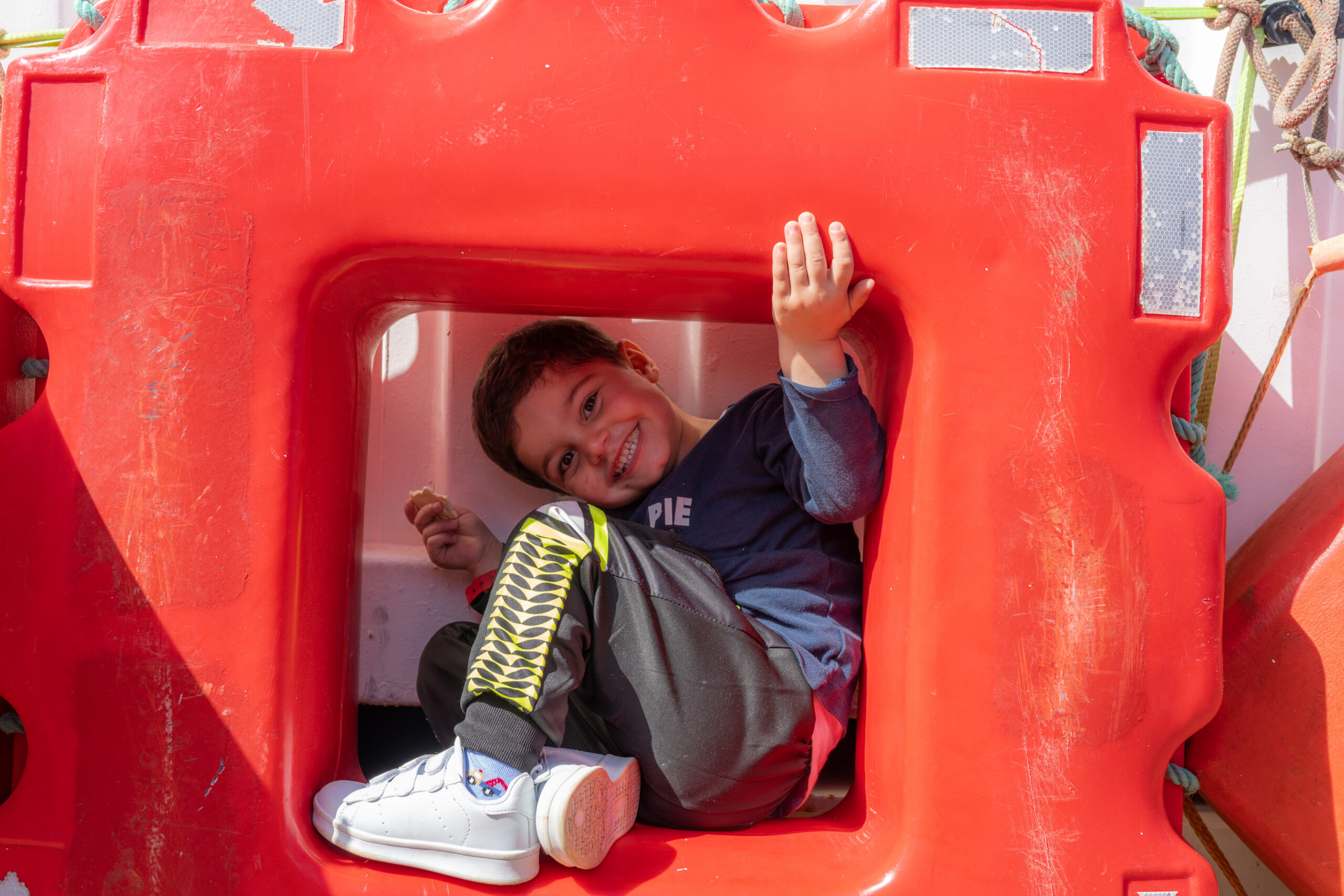
Safe enough to play.
5. Safe enough to play
Since 2016, more than 10,000 of the people rescued by SOS MEDITERRANEE have been children. Around 80% of them were travelling alone. On board the Ocean Viking, the crew organises activities on deck — drawing, music, games. A child who plays is a child who feels safe. For anyone watching, that is one of the most visible signs of hope there is.

© Stefano Belacchi / SOS MEDITERRANEE
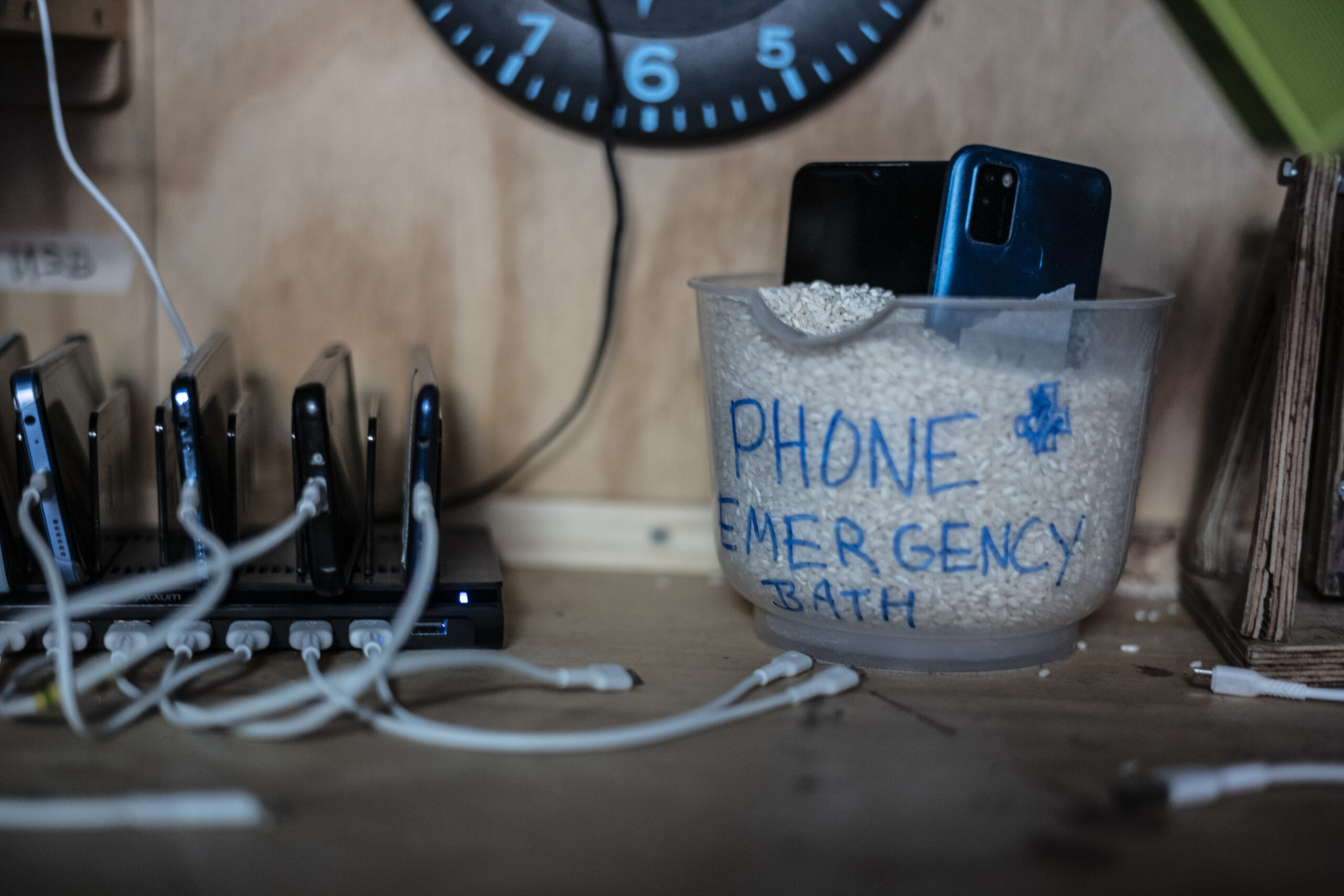
Calling home.
Calling home.
6. Calling home
A phone is often the only window people have to the outside world during the journey. In Libyan detention centres, people hide them at the risk of being beaten, share a single device between hundreds, and go without food to buy data. On the boat, a phone is how people call for rescue when the dinghy starts taking on water. On board the Ocean Viking, the team collects contact details from survivors and sends a secure "safe and well" message to their families through a dedicated service run with Telecoms Without Borders. For families who have had no news since the crossing began, that message is everything.

© Johanna de Tessières / SOS MEDITERRANEE
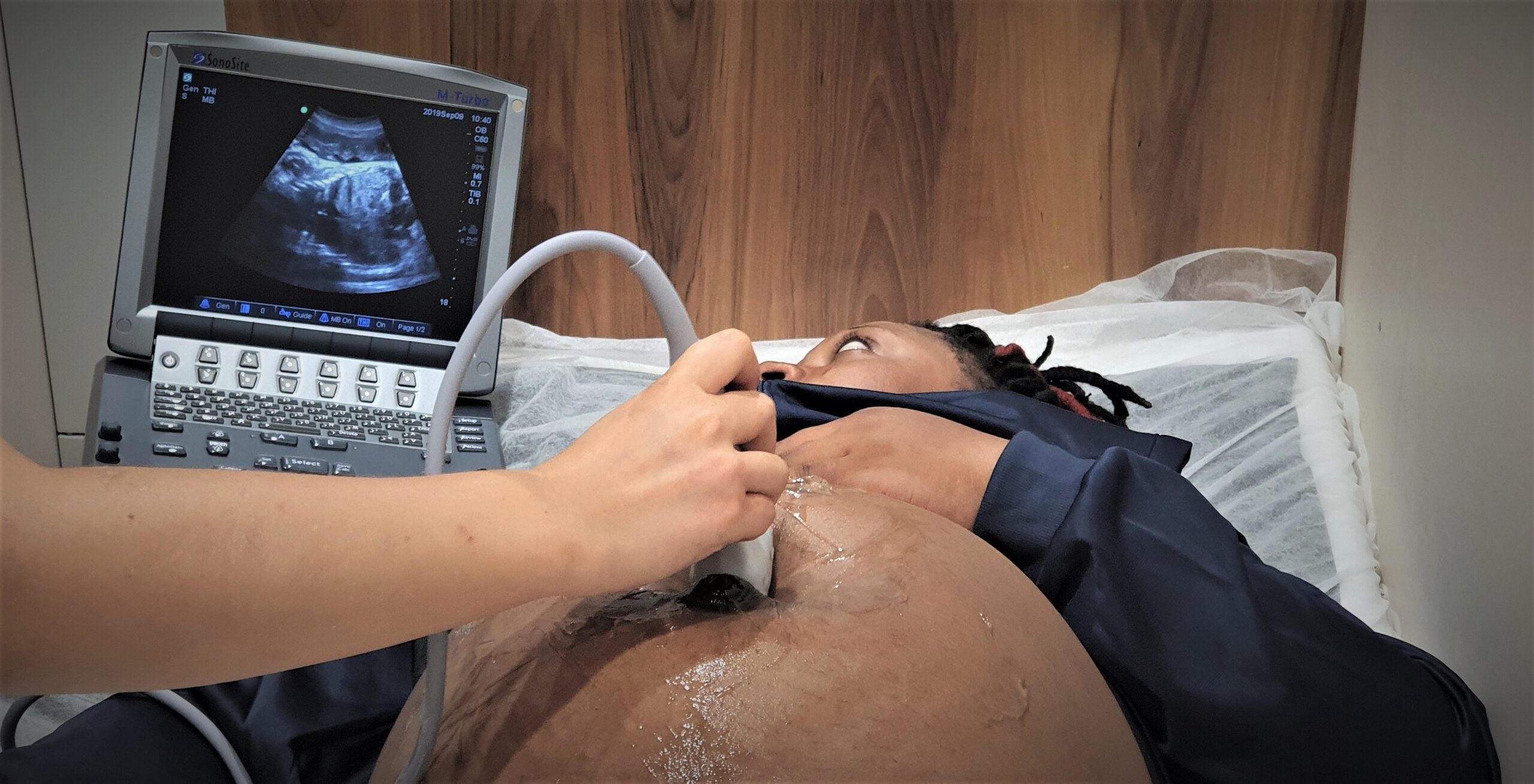
Born into hope.
Born into hope.
7. Born into hope
The Central Mediterranean is one of the deadliest routes in the world. For a woman who is pregnant, it is something else entirely. Medical care begins the moment people come on board, provided by a team that includes a doctor, a nurse, and a midwife. Since 2016, 7% of the women rescued by SOS MEDITERRANEE were pregnant, and six babies have been born on board our rescue ships. Many people make this crossing hoping to reach somewhere their children can grow up safely. This image is part of that story.

© Hannah Wallace/ Médecins Sans Frontières & SOS MEDITERRANEE
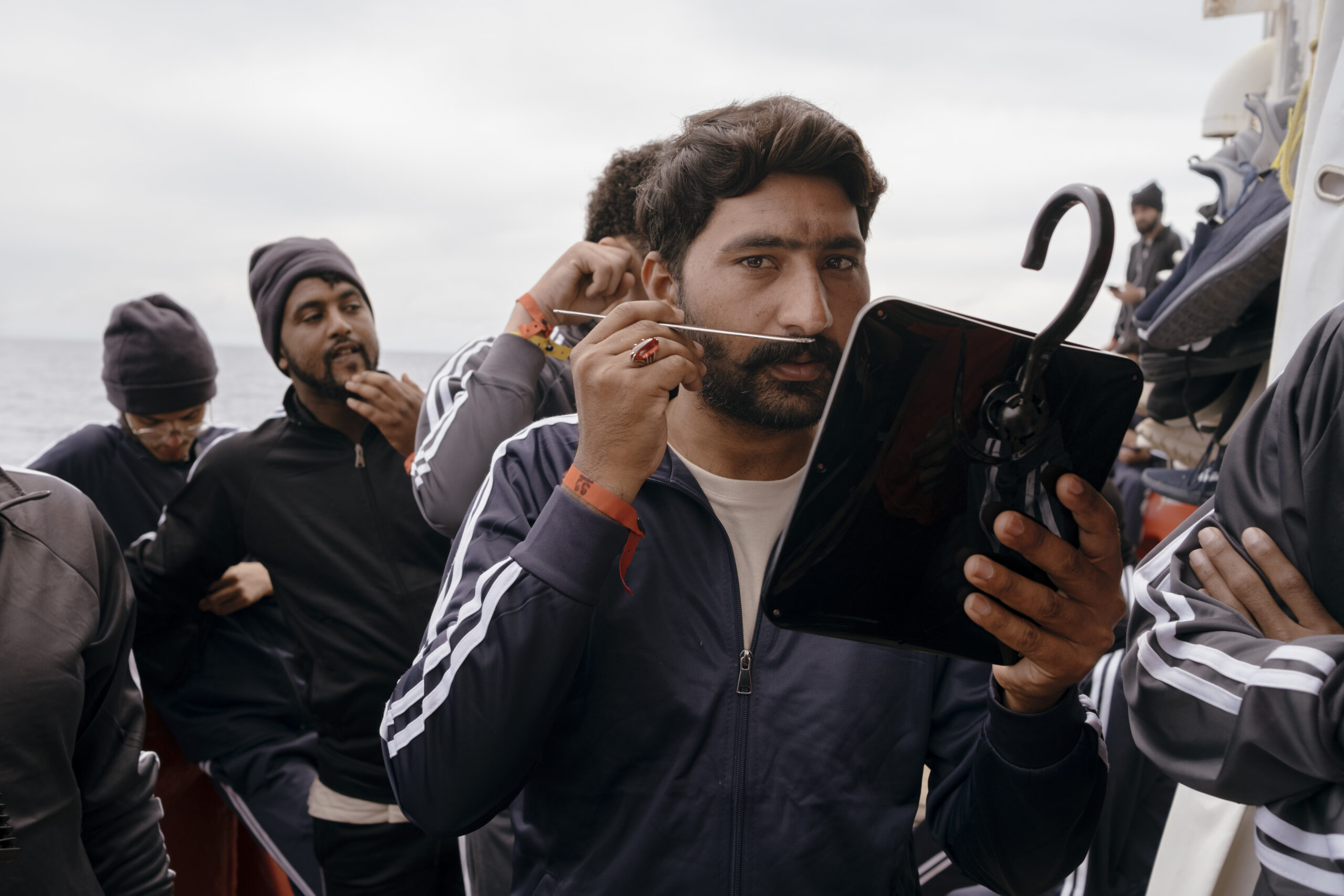
Something ordinary.
Something ordinary.
8. Something ordinary
There are no ordinary mornings on a rubber dinghy crossing the Central Mediterranean. On board the Ocean Viking, something ordinary becomes possible again — shaving and combing are not trivial affairs after days under duress where nothing resembling a ‘normal’ day existed.

© Javier Alvarez / SOS MEDITERRANEE
What happens next?
What happens next?
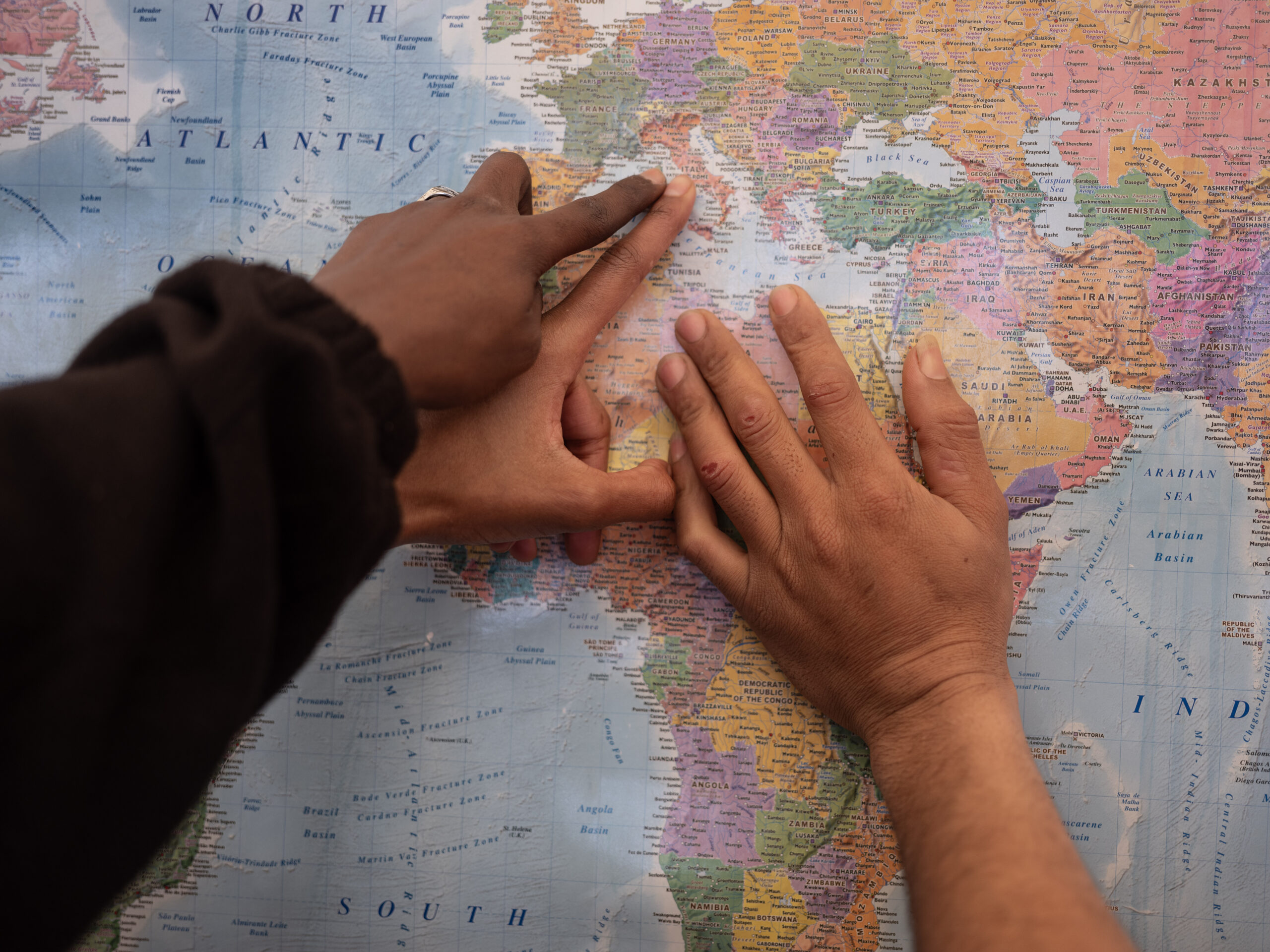
9. What happens next?
The questions being asked around this map are ones that couldn’t be answered before. Not from a detention centre in Libya, where people can spend years without knowing where they are or what comes next. Not from a rubber dinghy in open water, with nothing on the horizon. Where are we, where are we going, what happens next? Being on the move again, the deck beneath their feet, the shore in sight, is already an answer. Finally moving forward.

© Newsha Tavakolian / SOS MEDITERRANEE
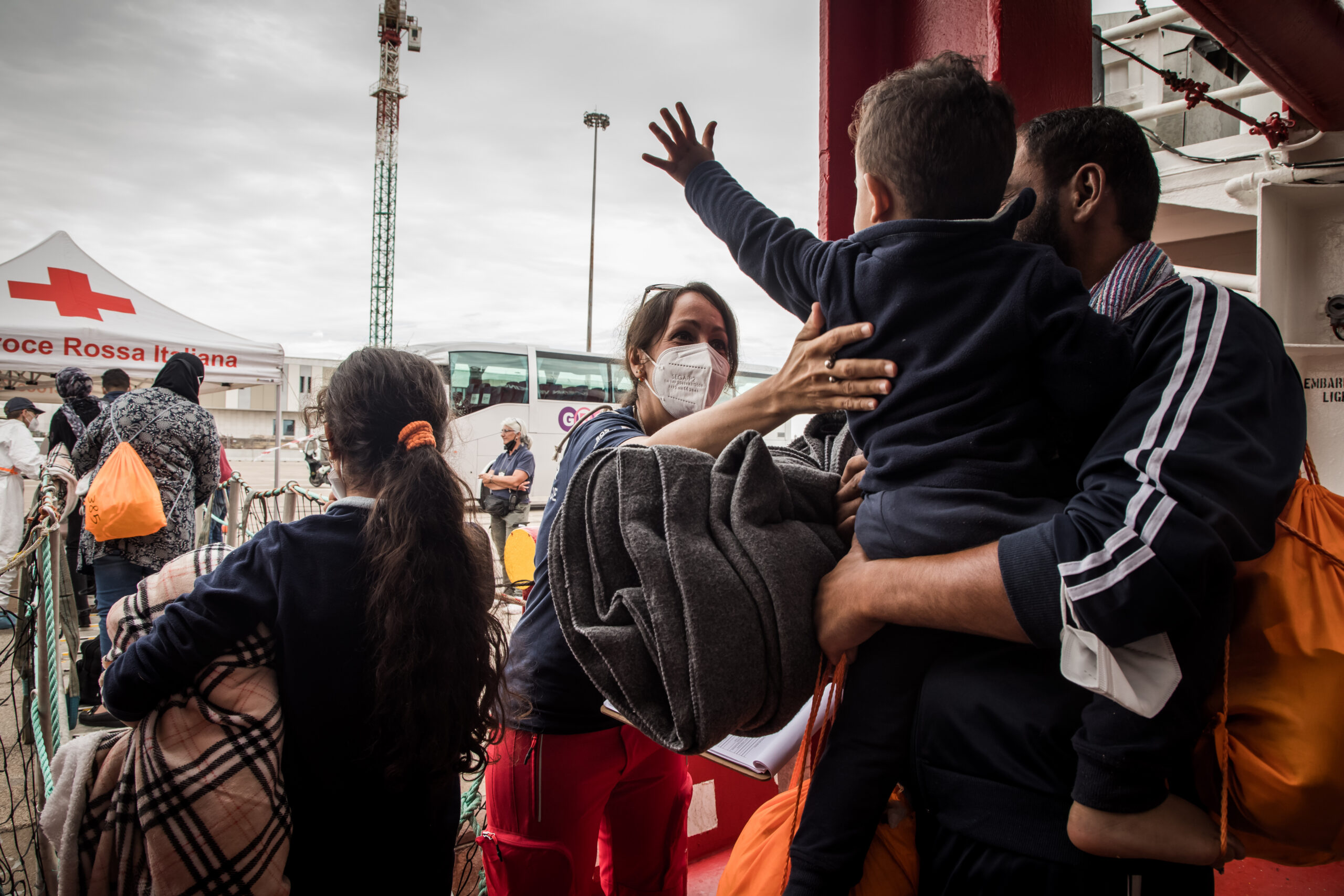
The crossing is over.
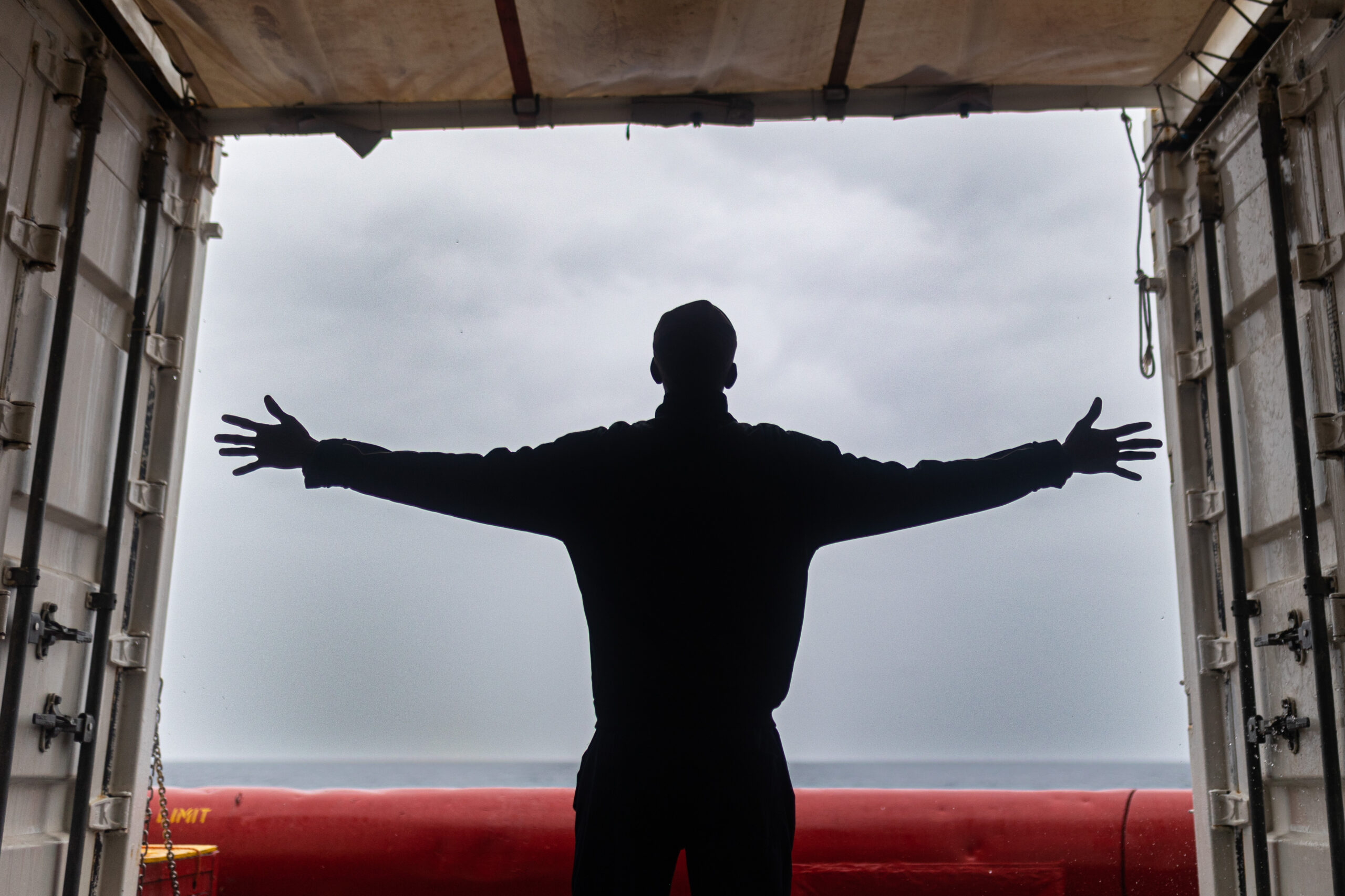
10. The crossing is over
The Ocean Viking's mission ends at disembarkation at a safe port. What comes next is another story, and not always an easy one. But for each life saved, hope gets another chance.

© Tara Lambourne / SOS MEDITERRANEE
Join us!
Join us!
These moments happen because people choose to act.
The Ocean Viking costs around £20,000 a day to operate. Every day at sea, every rescue, every moment on board depends on people who believe that hope at sea is worth fighting for.
The impact of your donation is immediate and tangible. No sum is too small. Enter the amount of your donation to see how it can be used.
© Francesca Volpi / SOS MEDITERRANEE